
Katie Wells
What Is Transitional Interior Design?
Transitional interior design strikes the perfect balance between timeless elegance and contemporary simplicity. Blending the warmth and character of traditional interiors with clean lines and the understated appeal of modern design, this versatile style creates spaces that feel both sophisticated and inviting.
A popular choice for homeowners seeking a look that won’t quickly date, transitional design focuses on comfort, harmony and refined detailing. From carefully chosen colour palettes to a thoughtful mix of classic and contemporary elements, every aspect works together to create a cohesive and effortlessly stylish space. In the bathroom, this approach can deliver a luxurious yet practical environment that feels fresh, balanced and enduring, making it an ideal choice for both period and modern homes.
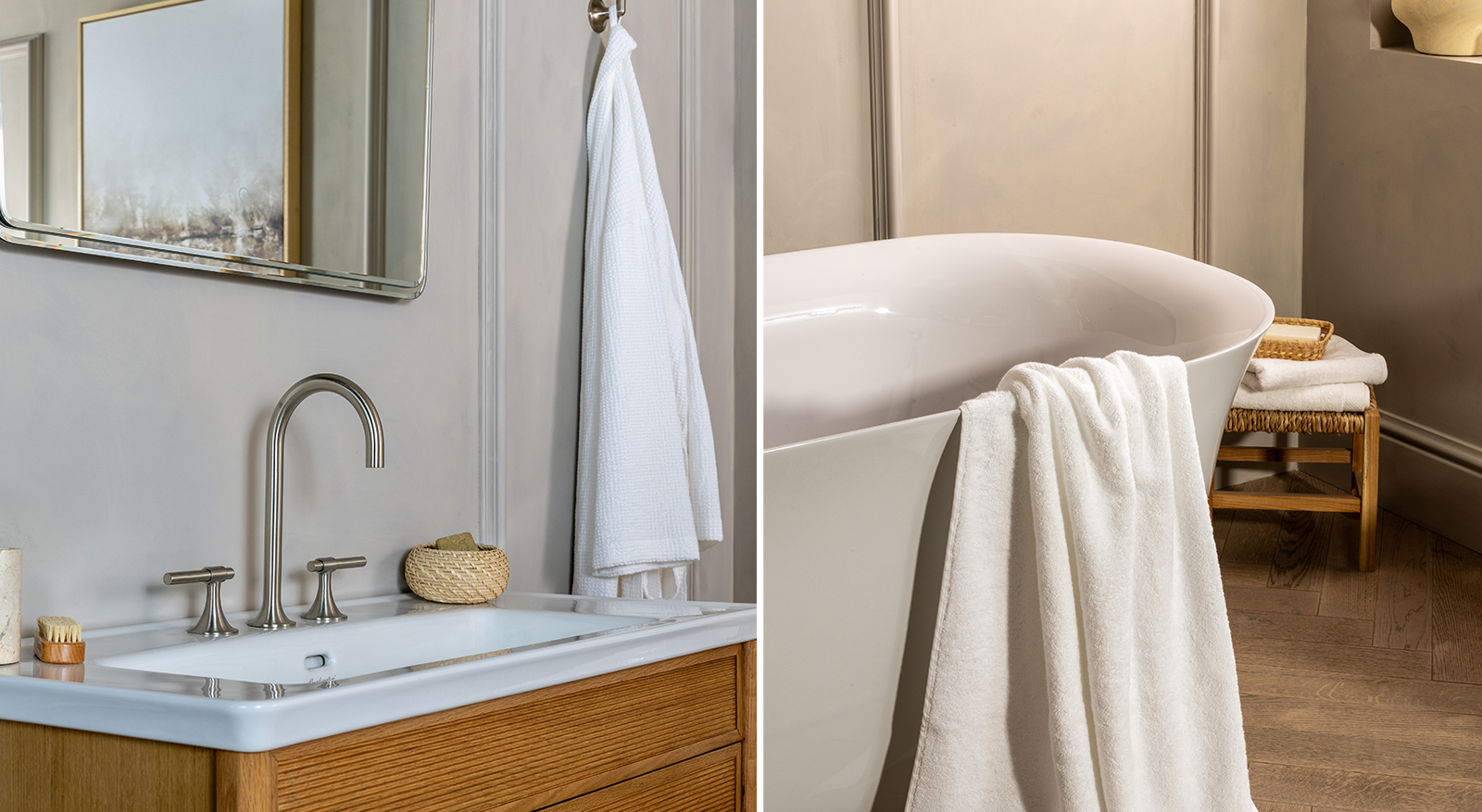
Transitional Design: An Emerging Interior Design Style
Transitional interior design is a style that brings together the best elements of traditional and contemporary interiors, creating spaces that feel timeless, balanced and effortlessly elegant. Rather than sitting firmly in one category, it acts as a bridge between classic design features and modern aesthetics, combining the character and craftsmanship of traditional interiors with the simplicity and functionality of contemporary living.
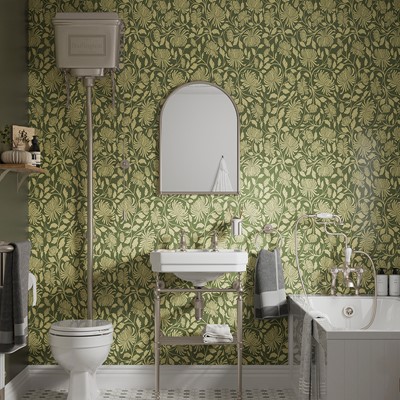
The result is a look that feels welcoming and refined without being overly ornate or stark. Clean lines, understated details and a carefully curated mix of old and new help create a sense of harmony throughout the space. It’s common to see traditional-style furniture or fittings paired with more modern accessories, lighting or artwork, allowing each element to complement the other without competing for attention.
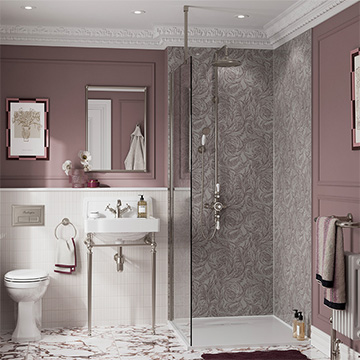
One of the reasons transitional design has grown in popularity is its versatility. While it often embraces neutral colour palettes and soft, calming tones associated with minimalist interiors, it can also accommodate bolder colours and statement pieces without feeling overwhelming. This flexibility makes it an ideal choice for homeowners who want a sophisticated interior that balances classic appeal with contemporary style, creating spaces that remain relevant and appealing for years to come.
Key Characteristics of Transitional Interior Design
While transitional design draws inspiration from both traditional and contemporary interiors, a few defining characteristics help give the style its distinctive look and feel.
A Balanced Mix of Traditional and Modern Elements
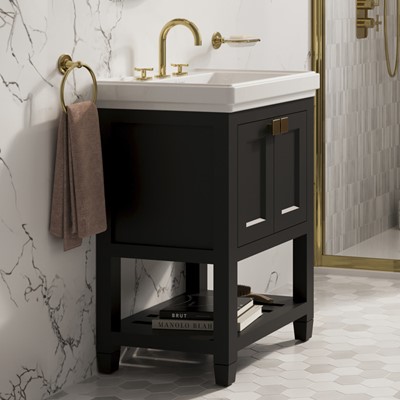
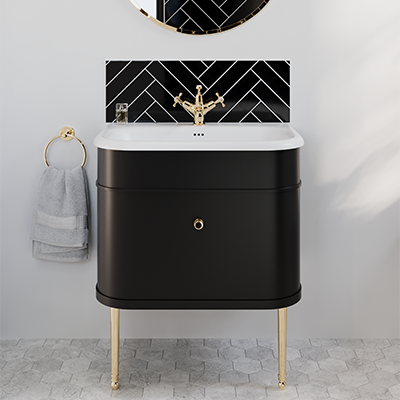
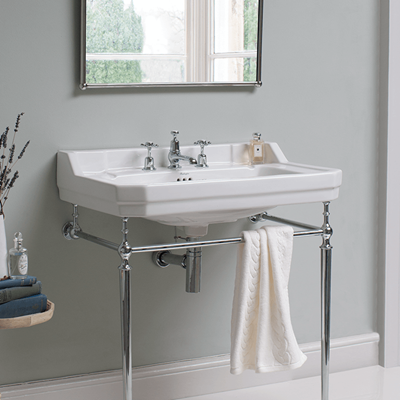
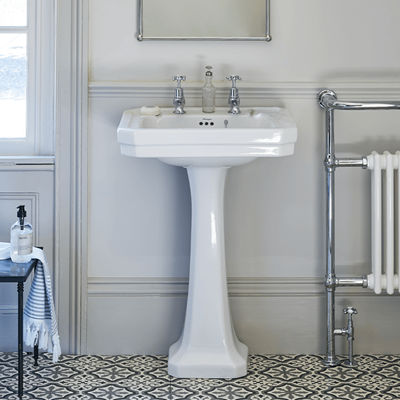
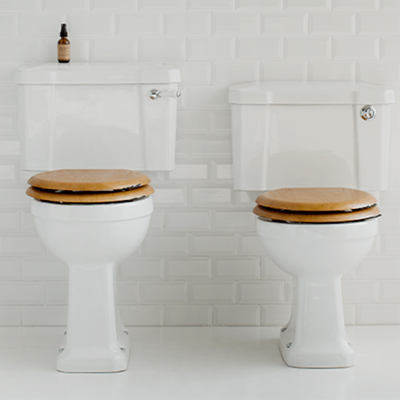
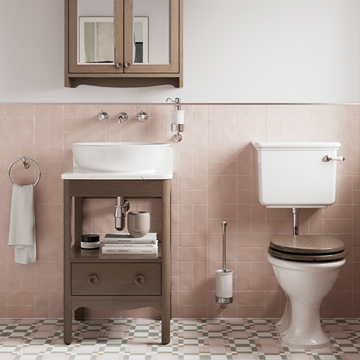
At the heart of transitional design is balance. Classic features are paired with contemporary pieces to create a space that feels cohesive rather than themed. Traditional architectural details, furniture shapes, or sanitaryware can sit comfortably alongside modern lighting, mirrors and decorative accessories, resulting in an interior that feels current without losing its sense of heritage.
Clean Lines and Simple Silhouettes
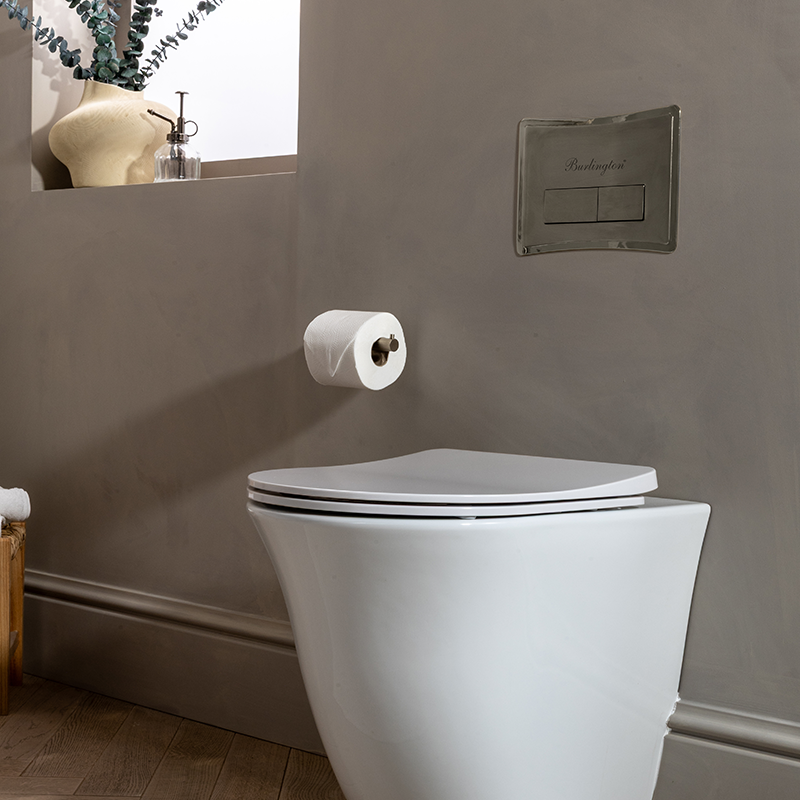
Unlike more ornate traditional styles, transitional interiors favour cleaner lines and uncluttered forms. Furniture, fixtures and accessories tend to have elegant yet understated profiles, helping to create a calm and sophisticated aesthetic. This simplicity prevents the space from feeling overly formal while maintaining a polished appearance.
|
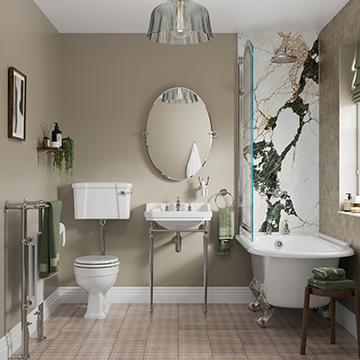
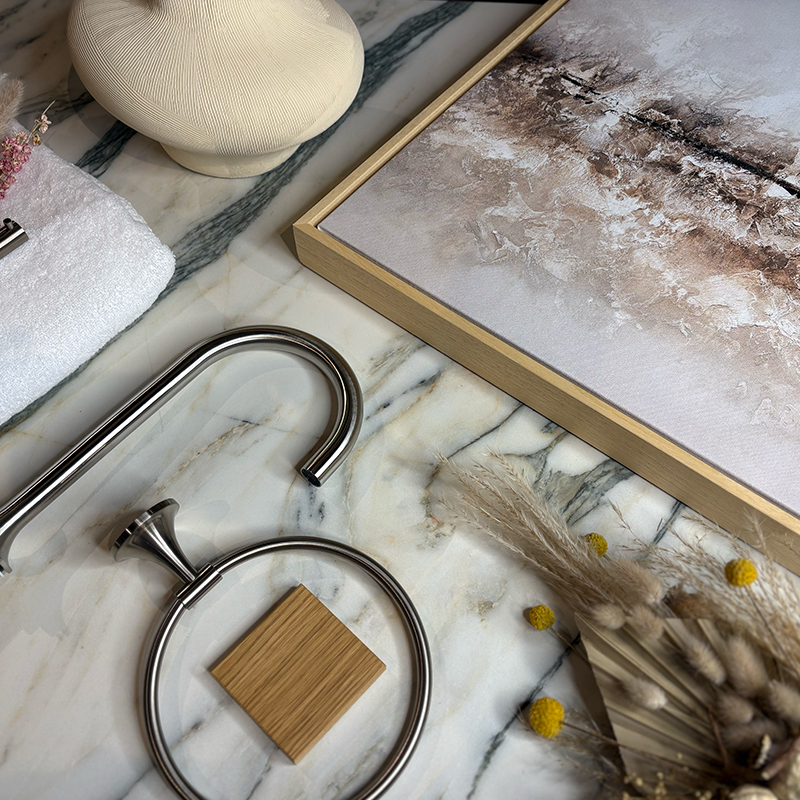
Neutral Colour Palettes Soft, neutral shades are a hallmark of transitional design. Colours such as white, cream, beige, taupe and grey provide a timeless foundation that allows different design elements to work together harmoniously. These understated tones also help create the bright, airy atmosphere often associated with transitional spaces.
|
Layered Textures and Materials
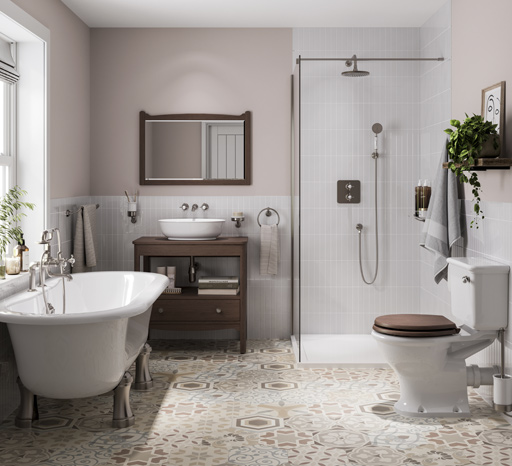
Rather than relying on bold colours or excessive ornamentation, transitional interiors add visual interest through texture. Natural wood, stone, glass, brushed metals and luxurious fabrics are often layered throughout the space to create depth and warmth. The combination of different finishes helps keep the design feeling inviting and lived-in while retaining its elegant appeal.
Comfort and Functionality
Transitional interiors are designed to be enjoyed as well as admired. Every element should contribute to a comfortable and practical living environment, with furnishings and fittings chosen for both their aesthetic and functional qualities. This focus on usability ensures spaces feel relaxed and welcoming rather than overly styled.
|
Timeless Appeal Perhaps the most defining characteristic of transitional design is its longevity. By avoiding extremes and combining enduring design principles from both traditional and contemporary styles, transitional interiors are less likely to date. The result is a versatile aesthetic that can evolve while maintaining its refined and elegant character. |
Designing A Bathroom with A Transitional Interior
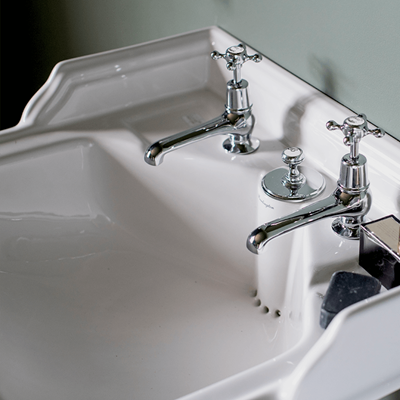
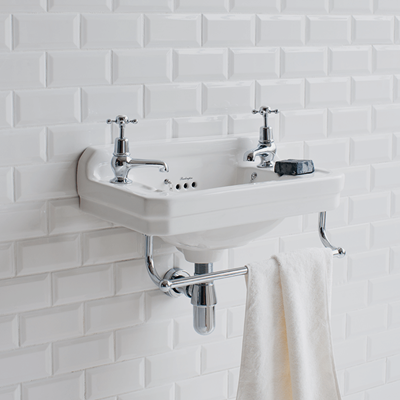
Our latest collection, Strand, sits at the intersection of heritage and innovation, shaped by an evolving design landscape while honouring timeless character. Each piece blends contemporary forms with familiar influences, creating a sense of enduring style and being outside of time.
Inspired by historical motifs distilled through modern sensibilities, Strand preserves the essence of the past while feeling distinctly current. More than a collection, Strand is a narrative of continuity, craftsmanship and timeless character.
The Strand collection is available soon!